


As enterprise networks grow, managing traffic, maintaining performance, and controlling access become increasingly important. VLAN and QoS are two essential switch features that help businesses build more efficient and manageable networks.
What Is VLAN?
A Virtual Local Area Network (VLAN) logically divides a physical network into separate broadcast domains. Devices can be grouped by department, function, or application, regardless of their physical location.
Key benefits of VLAN:
■ Network segmentation: Separate traffic for departments, IP cameras, guest Wi-Fi, and other devices.
■ Improved security: Limit unnecessary communication between network segments when combined with appropriate access control policies.
■ Simplified management: Make network organization and troubleshooting easier.
For example, a business can use separate VLANs for office computers, IP surveillance cameras, and guest Wi-Fi to reduce unnecessary traffic and improve network isolation.
What Is QoS?
Quality of Service (QoS) prioritizes network traffic based on configured rules, helping critical applications receive appropriate bandwidth and forwarding priority during congestion.
Key benefits of QoS:
■ Traffic prioritization: Give voice, video conferencing, and other critical applications higher priority when needed.
■ Improved user experience: Help reduce latency and jitter for delay-sensitive traffic during congestion.
■ Better bandwidth utilization: Manage competing traffic according to business requirements.
For example, QoS can prioritize voice and video conferencing traffic over routine file transfers, helping maintain communication quality when network capacity is limited.
VLAN vs. QoS: What Is the Difference?
VLAN organizes network traffic into separate logical segments, while QoS manages how traffic is handled when network resources are shared.
The two features serve different purposes and can work together. VLAN separates office, surveillance, and guest traffic, while QoS prioritizes critical applications across the network according to configured policies.
How to Choose the Right Managed Switch?
When selecting a managed Ethernet switch for an enterprise network, consider the following:
■ VLAN support: Check whether the switch supports the required VLAN configuration and segmentation.
■ QoS capabilities: Verify traffic classification, priority queues, and relevant QoS policies.
■ Port speed and uplinks: Ensure sufficient bandwidth for connected devices and uplink traffic.
■ Management features: Consider ACLs, monitoring, and other functions required by your network.
VLAN and QoS help enterprises improve network organization, traffic management, and application performance. A managed Ethernet switch with the appropriate features provides a practical foundation for building a more structured and efficient business network.
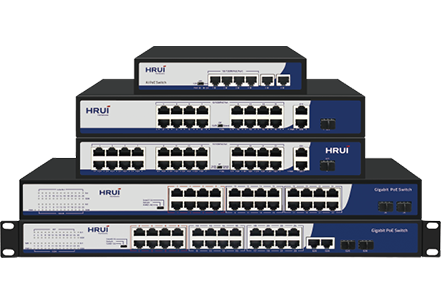
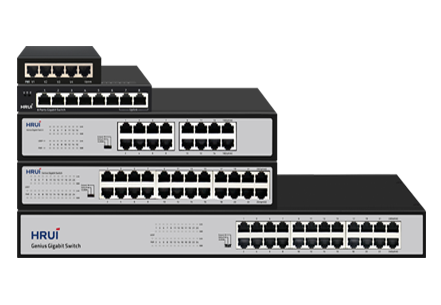
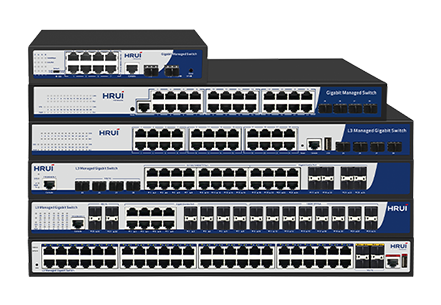
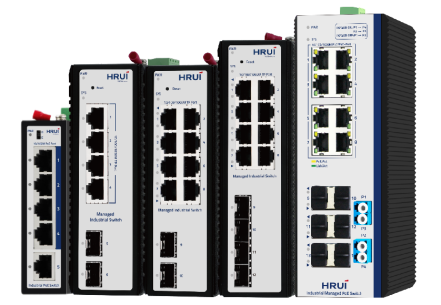
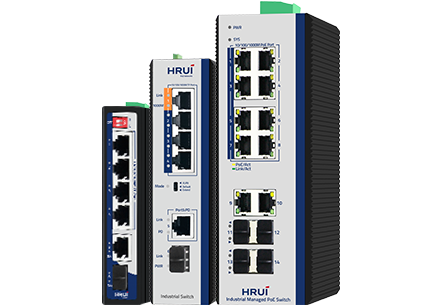
HRUI offers Ethernet switching solutions for a range of business networking needs. Explore our managed switches to find a suitable solution for your network requirements.